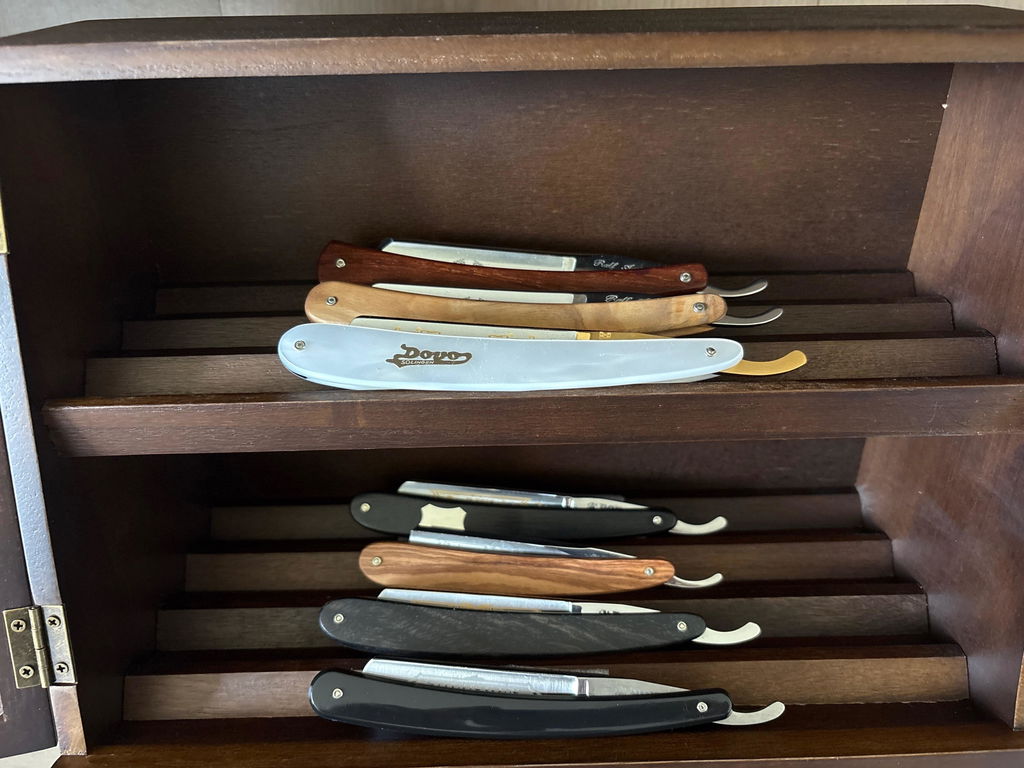





Shaving has transformed from a dignified morning ritual into a frustrating, plastic-filled chore. If you are reading this, you likely know the cycle. You buy a pack of expensive multi-blade cartridges only to find they tug at your skin by the third use. You deal with redness and ingrown hairs while wondering why a "modern" tool feels so primitive.
The answer lies in the metal. For over 600 years, a small city in Germany has held the secret to the perfect shave. Solingen, known as the "City of Blades," produces a specific type of steel that makes modern disposables look like scrap metal. At Classic Edge, we believe your face deserves better than mystery alloy.
What is Solingen Steel?
Not every blade made in Germany can claim the name. Since 1938, the "Solingen Decree" has legally protected this brand. To carry the mark, every part of the manufacturing and finishing process must happen within the Solingen district. This ensures a standard of quality that mass-market brands simply cannot replicate in a factory overseas.
The secret ofSolingen steel is its molecular structure. Most of these blades use high-grade carbon steel. While stainless steel is common in kitchens, carbon steel is the choice for astraight razor because it can be ground much thinner. This creates a "singing" blade—one so fine it vibrates slightly as it cuts through hair.

Ending the Cycle of Disposable Fatigue
The average man spends thousands of dollars on plastic cartridges over his lifetime. These razors rely on "hysteresis," where the first blade pulls the hair up and the following blades cut it below the skin. This is the primary cause of razor burn and painful bumps.
A German carbon steel blade works differently. Because the steel is incredibly dense and hard, it takes an edge that is microscopically thin. It slices the hair flush with the skin in a single pass. You aren't dragging five dull edges across your face; you are using one masterfully crafted tool.
Solving the Fear of Maintenance
One of the biggest hurdles for men moving away from disposables is the "Dull Blade Dread." You might worry about how to keep a blade sharp or fear that you'll ruin a luxury tool. This is where the heritage of German craftsmanship helps you.
Solingen blades are designed with a specific Rockwell Hardness (usually between 58 and 61 HRC). This is the "Goldilocks" zone of metallurgy. It is hard enough to hold a sharp edge for dozens of shaves but flexible enough that it responds beautifully to a leather strop. At Classic Edge, we see many beginners who are worried about maintenance, but with the right tool, the process becomes a relaxing 30-second habit.
The Difference Between Factory Edges and Shave-Ready
Many people buy a razor online and find it pulls the hair right out of the box. This happens because most factories—even those in Germany—ship razors with a "factory edge." This is a sharp edge, but it isn't ashave-ready edge.
At Classic Edge, we personally hone every Solingen blade we sell. We use a series of Japanese natural water stones to refine the steel until it can split a hair held in mid-air. This human touch is what separates a tool from a legend. When you buy aDovo Prima Silver Steel 5/8 Straight Razor, you are getting a piece of history that we have personally tuned for your first shave.
Why Carbon Steel Outperforms Stainless
You will often see a choice between carbon and stainless steel. While stainless is rust-resistant, it is much harder to sharpen at home. Carbon steel from Solingen is the enthusiast's choice. It develops a "patina" over time, a darkening of the metal that shows its history and character.
The edge on a carbon steel blade is also "softer" on the skin. It has a microscopic toothiness that grabs the hair but glides over the epidermis. If you suffer from extreme skin sensitivity, the German carbon steel tradition is your best defense against daily irritation.

Transitioning from Modern Razors
If the jump to a fixed blade feels too large, there are intermediate steps. ADovo Shavette with a Stainless Steel Handle allows you to practice the angles and pressure of a traditional shave while using replaceable blades. It is a fantastic way to build the muscle memory required for the "real deal."
However, most find that once they feel the weight of a true Solingen blade, they never go back. There is a psychological shift that happens when you stop rushing through a chore and start participating in a ritual. You can read about how this transition impacts a man’s perspective in thisaccount of a personal straight razor journey.
How to Identify Authentic German Steel
Look for the Solingen mark stamped into the tang of the razor. If the blade only says "Germany," it might not meet the strict Decree standards. Authentic brands like Dovo and Boker will proudly display the city name.
These manufacturers still use drop-forging techniques. Large hammers strike a glowing red bar of steel, forcing the molecules into a tight, uniform pattern. This creates a blade that is free of the internal stresses found in cheap, stamped metal. When you hold a Solingen blade, you are holding metal that has been compressed and tempered to withstand decades of use.
Caring for Your Investment
To avoid the pain of a dull blade, you only need three things: a strop, a dry towel, and a drop of oil.
-
Dry the blade: Carbon steel hates moisture. After your shave, rinse the blade and pat it dry with a soft cloth. Never leave it in a damp bathroom.
-
Strop regularly: Before every shave, 20 to 30 passes on a leather strop will "re-align" the microscopic edge. This isn't sharpening; it's simply straightening the teeth of the blade.
-
Oil the steel: if you aren't going to shave for a few days, a light coating of mineral oil prevents the Ontario humidity from causing surface rust.
The True Cost of Shaving
A pack of five cartridges can cost $25. A premium Solingen razor might cost $150 to $300. At first glance, the disposable seems cheaper. But the Solingen blade will last your entire life and likely your son's life too.
The "Classic Edge" isn't just a marketing phrase. It refers to the physical geometry of a blade that has been perfected over centuries. It is the end of razor burn, the end of plastic waste, and the beginning of a better way to start your day.
If you are tired of the irritation, it is time to trust the City of Blades. Whether you choose a full straight razor or a versatile Shavette, you are choosing a standard of excellence that hasn't changed since the days of knights and swords.
Stop Settling for "Sharp Enough." Most razors arrive at your door with a factory edge that tugs and irritates. At Classic Edge, we don’t just ship boxes; we refine every Solingen blade on Japanese natural stones to ensure it is truly shave-ready the moment it touches your skin.
Browse our Shave-Ready Solingen CollectionExperience the difference of a master-honed edge.
FAQs
- Is Solingen steel better than Japanese steel? Both are world-class. Solingen steel tends to be slightly more flexible, which many find more forgiving for daily shaving. Japanese steel is often harder and holds an edge longer but requires more skill to hone.
- Do I need to sharpen my razor every time? No. You strop the razor before every shave to maintain the edge. You only need professional honing once or twice a year, depending on your beard thickness and technique.
- Can I get Solingen steel in a safety razor?Yes. Many high-quality safety razors use Solingen-made heads. However, the full benefit of the steel's "singing" quality is best experienced in a traditional straight razor.
- Why does my straight razor feel like it's pulling? This is usually due to improper stropping or a factory edge that hasn't been professionally honed. If the blade was purchased from a big-box retailer, it likely needs a master's touch to become truly shave-ready.
- Is carbon steel hard to look after? It only requires an extra 10 seconds of drying. The superior shave quality of carbon steel far outweighs the minor effort of keeping it dry.